How to Evaluate an SS Round Bar Before Buying for Industrial Use

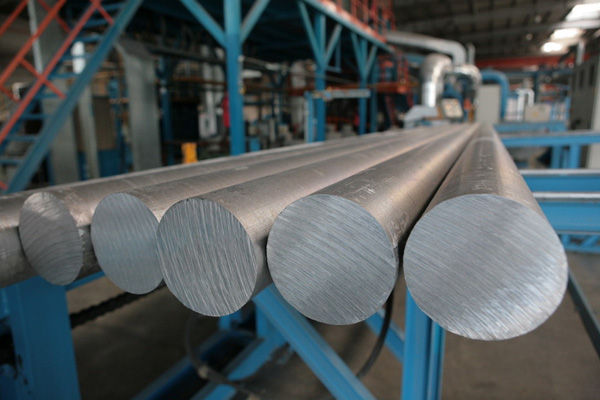
It is essential never to purchase SS round bar manufacturer in India for an industrial application based on appearance or cost alone! Round bars will be used in shafts, fasteners, machinery, structural parts, fabrication, and equipment subjected to stringent operating requirements. When using the selected material, if the material properties are not sufficient to satisfy the necessary grade, dimensions, mechanical properties, or corrosion resistance, then the problems may manifest during the machining of the material, installation, or after the material has been put into service. It is therefore crucial for construction heads, engineers, architects, contractors, and procurement teams to assess the material before they buy it in order to ensure that they are making quality choices. The assessment should include the grade of stainless steel, chemical composition, size, surface condition, mechanical properties, certification, and reliability of the supplier. The technical value of quotations from different suppliers can be compared more easily, as well as the lowest price, when knowing what to check.
Start by confirming the Stainless Steel Grade
The first step is to ensure that the round bar is made from the grade recommended for the application. The various types of stainless steel offer varying degrees of corrosion resistance, strength, machinability, and temperature resistance.
Common grades include
SS 304
SS 316
SS 321
SS 410
SS 420
17-4 pH
Duplex stainless steel
Super duplex stainless steel
For instance, SS 304 is ideally suited to general industrial and fabrication applications, whereas SS 316 might be better suited in those areas that may be exposed to chlorides or harsh environments.
It is important to choose the grade based upon the conditions under which the project operates, and not just because it's available.
Check the Chemical Composition
After the grade is determined, buyer should check the chemical composition of the material. The properties of stainless steel are affected by the elements in the steel (chromium, nickel, molybdenum, carbon, etc.).
A material test certificate may be useful and contain information regarding the composition of the supplied heat/batch.
Important points to verify include:
Chromium content
Nickel content
Molybdenum content where applicable
Carbon level
Other specified alloying elements
Heat or batch identification
Chemical composition verification is especially critical for certain industrial applications where the performance of the material is related to a particular grade requirement.
Inspect Diameter and Dimensional Tolerances
A round bar can be of the correct grade but may not be a correct size for the project.
Before purchasing, confirm:
Nominal diameter
Actual measured diameter
Length
Diameter tolerance
Straightness
End condition
In such cases, dimensional accuracy is important when the round bar is to be precision-machined or is to be integrated into a precision part.
Standard size can minimize the need for unnecessary material and machining.
Examine the Surface Condition
Surface defects should be checked before acceptance of the material.
Look for:
Cracks
Deep scratches
Pitting
Scaling
Dents
Uneven finishing
Other visible irregularities
The acceptable surface condition is related to the manufacturing specification and end use. A rough surface may be desired for a bar to be further worked into a different surface is required for use in an architectural application.
Review Mechanical Properties
Properties of materials are related to how they are expected to react to various types of loads.
For different grades and specifications, buyers can inspect:
Tensile strength
Yield strength
Elongation
Hardness
Toughness where applicable
These values should be compared with the requirements stated in the relevant material specification or purchase order.
When choosing materials for structural or mechanical applications, it is important to choose a material that has the right mechanical properties for reliable performance.
Verify Heat Treatment Requirements
Certain grades of stainless steel must be treated in a particular way to obtain the desired properties. Heat treatment may affect strength, hardness, corrosion resistance and microstructure.
The buyer should inspect to make sure that the necessary material condition is present and that there is heat-treatment information in the appropriate documentation.
This is especially true for the use of grades for mechanical specialties.
Check Material Test Certificates
Documentation should be regarded as a crucial component of the purchasing process.
The information included in a Material Test Certificate can include:
Product description
Stainless steel grade
Heat number
Chemical analysis
Mechanical test results
Dimensions
Applicable standard
The certificate should correspond to the material being supplied. Confidence can be gained in quality inspection with traceability from the physical round bar to the documentation.
Consider Applicable Standards and Specifications
Depending on the use and site, specific ASTM, ASME, EN, DIN or other standards may be specified on industrial projects.
Before ordering, confirm:
Required material standard
Product specification
Dimensional standard
Testing requirements
Certification requirements
The supplier should not assume the specification but should make all assumptions he/she needs.
Evaluate the Supplier, Not Just the Product
A product that is technically sound may still present procurement issues because the supplier may not be able to provide a consistent quality and/or delivery.
When comparing SS Round Bar Suppliers, consider:
Manufacturing capabilities
Quality-control procedures
Available grades and sizes
Testing facilities
Production capacity
Stock availability
Documentation practices
Packaging
Delivery performance
Repeat requirements can also be significant when the project has multiple phases or is continuous production.
Compare Price With Overall Value
Price is always a factor in buying, but the lowest bid should not be the sole determining factor in the selection of a bidder.
If a cheaper material results in: then it becomes more expensive.
Additional machining
Material rejection
Fabrication delays
Increased wastage
Premature replacement
Quality-control complications
A smarter way is to evaluate the sum value that each supplier provides, such as quality, certification, dimensions, delivery and technical support.
Consider the Intended Industrial Application
An inspection process should be directed by the final application. A round bar may be required to have different properties in a general fabrication than with a high load mechanical part.
Consider the operating environment:
Is the component exposed to moisture?
Will it contact chemicals?
Is chloride exposure expected?
Will it experience high temperatures?
Is high mechanical strength required?
Will extensive machining be performed?
Is the surface visible after installation?
By answering these questions, one can identify the characteristics of materials that should be focused on.
Inspect Packaging and Handling
Quality control doesn't stop at the factory. If there is not good care taken during the job to transport the material, the material may be ruined, even if it was acceptable in all other aspects.
Before accepting a shipment, inspect the packaging and bars for signs of:
Impact damage
Bending
Surface scratches
Contamination
Moisture-related issues
For long-length bars and bars featuring special surface finishes, it is particularly critical that they are properly packaged.
Use a Pre-Purchase Inspection Checklist.
There are important details that procurement teams can miss when it comes to hiring restaurants. There are vital details that a procurement team can miss when hiring restaurants, and a simple checklist can help you avoid that.
Before approving the order, verify:
Stainless steel grade
Chemical composition
Diameter and length
Dimensional tolerances
Surface condition
Mechanical properties
Heat-treatment condition
Applicable standards
Material Test Certificate
Packaging and delivery requirements
This process offers a practical approach to assessing material prior to fabrication or construction.
Conclusion
To conclude, a technical inspection and supplier evaluation are needed to assess an SS round bar before its purchase. The process of grade verification, chemical composition, dimensional accuracy, surface condition, mechanical properties, heat treatment, applicable standards, and material certification are all important factors in deciding whether the product is suitable for its intended applications. When it comes to industrial purchases, contractors, engineers, and building professionals, it's essential to think beyond what the quote is. A well-considered stainless steel round bar will have a greater possibility of fulfilling the required fabrication and will perform reliably in service. Having a checklist of requirements and partnering with a supplier that is able to deliver reliable documentation and products helps businesses make informed purchasing decisions.
FAQs
1. What should I check before buying an SS round bar for industrial applications?
Check the stainless steel grade, chemical composition, diameter, length, dimensional tolerances, surface condition, mechanical properties, applicable standards, heat-treatment condition, and Material Test Certificate.
2. Why is the Material Test Certificate important when purchasing stainless steel round bars?
It provides information about the material's chemical composition, mechanical properties, grade, heat identification, and other specified details, helping buyers verify that the supplied product meets the required specification.
3. How can I compare stainless steel round bar suppliers beyond price?
Compare their manufacturing capabilities, quality-control procedures, testing facilities, available grades and sizes, documentation, stock availability, production capacity, packaging, delivery performance, and ability to fulfill repeat orders.
Comments