What to Look for When Selecting SS Plate Manufacturers in India


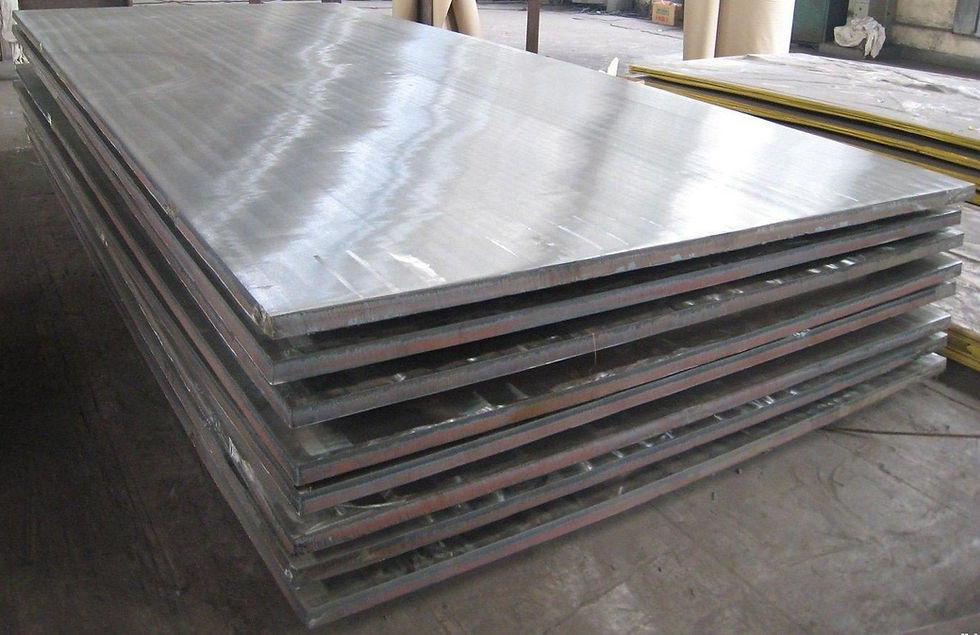
The decision on which stainless steel plates to choose for a large construction, engineering, infrastructure, or manufacturing project is not one that should be made on the lowest quotation. The consistency of the product, the working characteristics, the delivery time, and the long-term cost of the project can be determined by the manufacturer of the material. Thus, selecting the right SS Plate Manufacturers in India is an important procurement decision for construction heads, architects, and contractors, as well as industrial buyers. There are several types of stainless steel plates, each with different grades, thicknesses, finishes, and specifications that are suited for specific operating conditions.
Check the Manufacturer's product range.
Having a wide variety of products available can make it easier to deal with a manufacturer, especially if a project involves multiple stainless steel types.
Before placing an order, check whether the manufacturer can supply:
Different stainless steel grades
Multiple plate thicknesses
Standard and custom dimensions
Various surface finishes
Cut-to-size requirements
Industrial and architectural specifications
The right product mix minimizes procurement coordination with a number of suppliers on the same project.
Evaluate Raw Material Quality
It begins with the raw material to produce a good looking plate. Variability in chemical composition may impact corrosion resistance, strength, weldability, and service life.
Customers should definitely inquire about raw material control and traceability when they are comparing SS Plate Manufacturers in India.
Important points include:
Material grade verification
Chemical composition
Heat or batch identification
Raw material traceability
Compliance with specified standards
Better raw material control yields a more solid basis for uniform products.
Examine Manufacturing Capabilities
Plate quality and dimensional consistency are directly impacted by manufacturing technology. The buyer needs to be aware if the manufacturer has the equipment and process controls necessary for the application.
Look for capabilities such as:
Controlled rolling
Heat treatment
Precision cutting
Surface finishing
Dimensional inspection
Advanced testing facilities
Production capacity is also a factor when the customer places a large industrial order. The manufacturer could have a great product but not be the right fit if he or she cannot deliver the product in a timely and adequate manner.
Verify Quality Testing and Inspection
One of the biggest considerations in choosing a supplier should be quality testing. A professional manufacturer should have inspection procedures and have to ensure that the material supplied to the customer is in accordance with the agreed specification.
Depending on the application, testing may include:
Chemical composition analysis
Tensile testing
Hardness testing
Ultrasonic testing
Thickness measurement
Surface inspection
Dimensional checks
Material test certificates can also give valuable data on the material supplied.
Choose the Correct Stainless Steel Grade
Not all stainless steel plates can be used in all environments. The criteria for grade selection are corrosion exposure, temperature, mechanical loading, fabrication requirements, and operating conditions.
Common Grades
SS 304: It is used generally in industrial, architectural, food processing, and fabrication applications where good corrosion resistance is desired.
SS 316:Resists chlorides and corrosive environments better and is often used in marine applications and chemical and processing applications.
SS 310: High-temperature performance for selected applications with high temperature requirements.
Duplex Stainless Steel: Combines high strength with corrosion resistance in tough industrial applications.
The knowledgeable stainless steel plate manufacturer must be able to give buyers complete technical information so that they can choose the right grade of stainless steel plate.
Check Dimensional Accuracy and Surface Finish
Thickness and size are not insignificant. There can be deviations in fabrication, welding, machining, installation, and structural performance.
For each order, buyers should confirm:
Nominal thickness
Thickness tolerance
Length and width
Flatness requirements
Surface finish
Edge condition
The desired finish may vary with the use, as well. The appearance of an architectural project might be a more important criterion than the dimensional consistency and surface condition of an industrial piece.
Review Certifications and Documentation
Documentation is good evidence of product conformity. Buyers should not only accept verbal quality claims but also ask for documents that have relevance to the quality.
Depending on the project, this may include:
Material Test Certificates
Quality management certifications
Inspection reports
Product specifications
Test results
Compliance documentation
The best SS plate manufacturers in India should be able to furnish the necessary documentation for materials supplied.
Consider Production Capacity and Delivery Reliability
In big construction and infrastructure projects, delays in delivering materials can impact multiple aspects of the project. In this regard, the supplier's ability and logistics should be checked together with the quality of the product.
Ask about:
Current stock availability
Production lead times
Monthly production capacity
Packaging methods
Dispatch procedures
Delivery locations
Ability to handle repeat orders
A supplier that can supply the project regularly can assist the procurement team with avoiding interruptions of the project.
Don't Base the Decision Only on Price
While price matters, it shouldn't be the only factor to consider. A cheaper up-front cost can lead to higher costs if the material causes manufacturing issues, early corrosion, waste, or replacement.
Instead, compare suppliers based on overall value:
Product quality
Technical compliance
Certifications
Dimensional accuracy
Delivery performance
Customer support
Long-term reliability
This way, project teams have a better idea of the real cost and value of the material.
Assess Technical Support and Communication
A big project will likely contain specific details and also evolving demands. Effective communication is a big part of making procurement much easier.
A dependable manufacturer should be able to discuss the following:
Grade selection
Dimensions
Tolerances
Testing requirements
Surface finish
Packaging
Delivery schedules
When the buyer and manufacturer communicate properly, it helps avoid misinterpretation of specifications prior to the start of production.
Conclusion
To sum up, price is not the sole deciding factor when it comes to picking the best SS plate manufacturers in India; consider the various factors involved in the selection process. Many factors can lead to a successful procurement decision, such as product range, raw material quality, manufacturing technology, test procedures, grade selection, dimensional accuracy, certifications, production capacity, delivery reliability, and technical support.
FAQs
1. What should I check before choosing SS Plate Manufacturers in India?
Check the manufacturer's product range, raw material quality, manufacturing capabilities, testing procedures, certifications, dimensional tolerances, production capacity, and delivery record.
2. How do I select the right stainless steel plate grade for an industrial project?
Consider the operating environment, corrosion exposure, temperature, mechanical requirements, welding or fabrication needs, and applicable industry standards before selecting a grade.
3. Why are material test certificates important when buying stainless steel plates?
Material test certificates provide information about the supplied material's chemical composition and mechanical properties, helping buyers verify that the plates meet specified requirements.
Comments